読み込み中…

3月3日に、終わる前のお知らせが届きます
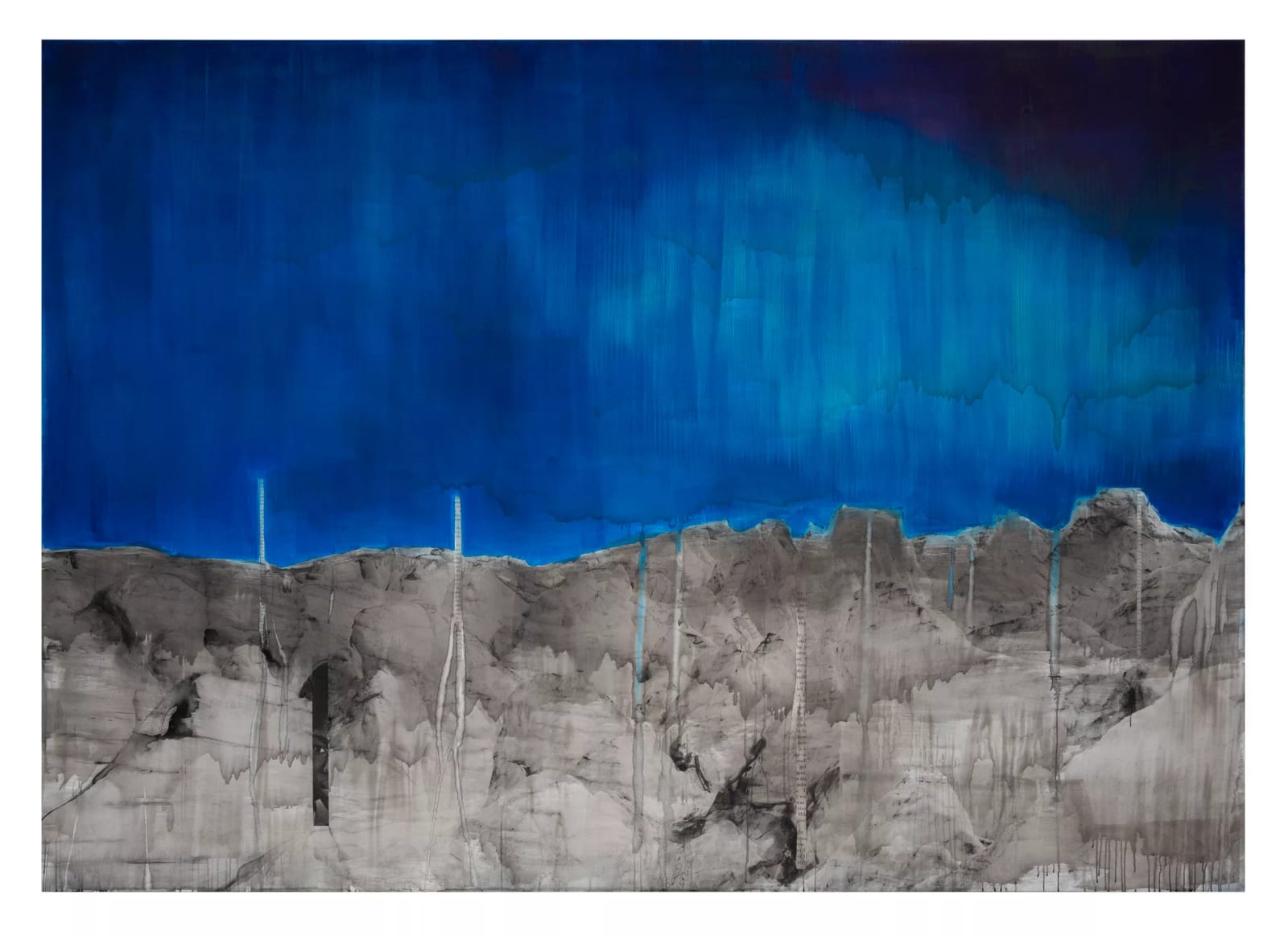
OSCAAR MOULIGNE is pleased to announce a solo exhibition by Lorna Simpson, on view from November 7, 2026 until March 6, 2027. Marking Simpson’s first solo presentation in Japan since 1999, the exhibition explores the artist’s enduring engagement with questions of identity, gender, race, memory, and representation. For more than four decades, Simpson has examined ways of seeing and understanding images, particularly how Black women have been represented and perceived within American visual culture. Working across photography, painting, collage, sculpture, and film, she investigates the relationship between personal and collective histories. Central to her practice is an extensive archive of found photographs, including images sourced from vintage magazines such as Ebony and Jet , historical publications, and discarded news photography. Removed from their original contexts, these visual traces of the past become the starting points for shifting narratives that challenge established assumptions and open up new possibilities for interpretation. The monumental work in the exhibition, Lightning (2021), exemplifies Simpson’s approach to painting, in which photographic imagery is layered with expressive fields of color and abstraction. Blue, a recurring and richly symbolic presence throughout her oeuvre, carries multiple associations, from the vastness of the night sky and the natural world to the emotional resonances of melancholy and the cultural histories of indigo and the blues. Rather than functioning simply as a descriptive color, blue becomes a means of creating atmosphere and psychological depth, suggesting spaces that are at once familiar and elusive. The exhibition also presents Connected (2023), a trio of collages in which Simpson juxtaposes found photographs of female figures with celestial maps and constellations. Drawn from vintage imagery, the women are transformed through the superimposition of astronomical diagrams, their bodies becoming expansive fields of stars and cosmic formations. In replacing elements of the human figure with images of the universe, Simpson disrupts conventional representations of femininity and the body, questioning how identities are constructed and perceived. In Interpretations (2026), a suite of twelve collages, Simpson extends this exploration into an imaginative and at times surreal territory. Combining found images of cats with female protagonists, she constructs fantastical scenarios in which familiar subjects take on unexpected identities and associations. These seemingly incongruous pairings introduce moments of humor, mystery, and disquiet, blurring distinctions between the human and the animal, the ordinary and the extraordinary. This body of work draws inspiration from Simpson’s encounter with the Japanese folktale The Boy Who Drew Cats , which was read to her as a young child by her mother. The story, retold by Lafcadio Hearn and published in English in 1898 as part of Hasegawa Takejirō’s Japanese Fairy Tale Series, follows a young boy whose drawings of cats on a folding screen inside a haunted temple mysteriously come to life. The tale remained with Simpson long after childhood, and years later, she rediscovered a copy of the book when her own daughter was young, adding it to her collection of children’s books. The memory of this story resurfaced when Simpson was invited to present a selection of works at Daiko-in, a historic Zen Buddhist subtemple of Daitoku-ji founded in 1592, as part of a special presentation in collaboration with Hauser & Wirth alongside the gallery exhibition in Kyoto. Across her practice, Simpson reinterprets fragments of the past, allowing them to resonate and unfold in the present. Her work invites us to consider how images carry memory, how histories continue to shape our perceptions, and how new meanings emerge through the act of looking.
館の公式サイトの紹介文を、そのまま載せています。
京都府京都市北区紫野東野町1
会期・開館時間は変更される場合があります。
3月3日に、終わる前のお知らせが届きます