読み込み中…
funwowが集めた関連画像(出所つき)を含みます。各画像は出所元に帰属します。
収蔵されている館をご存じですか? 記録に足せます
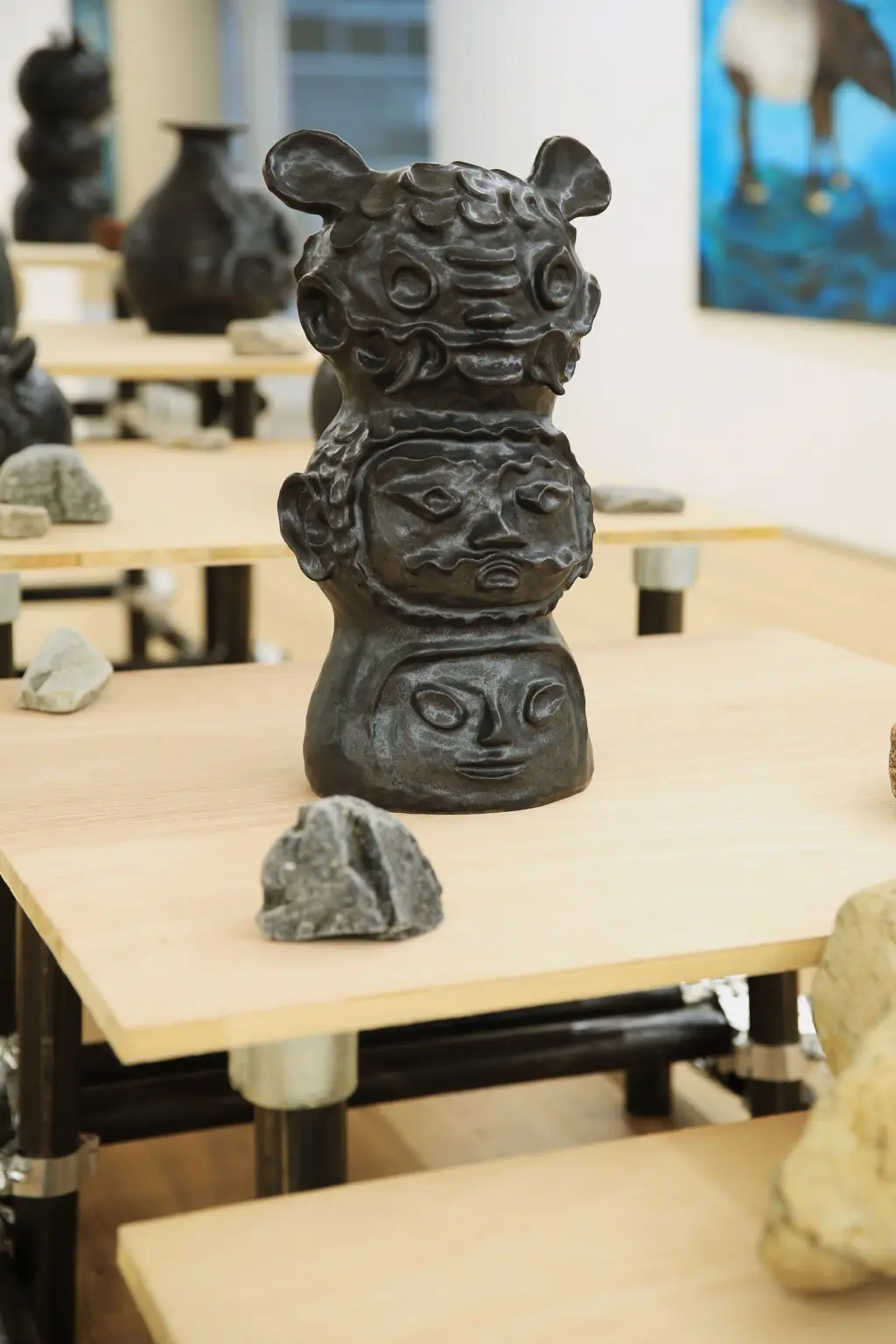
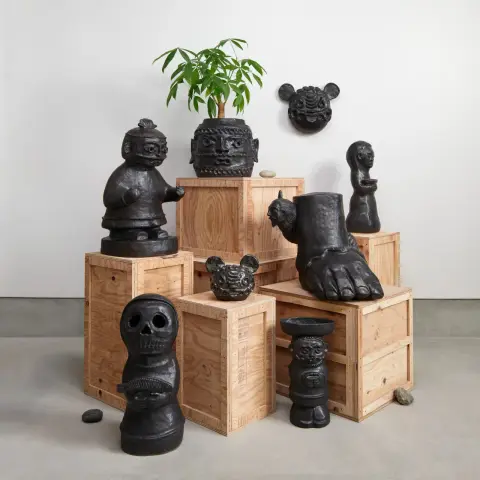
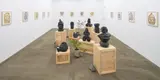
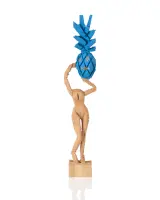
Born in 1980 and lives in Osaka, Japan. Koike spent his childhood in Buenos Aires, Argentina, attended a high school in Barcelona, Spain, and graduated from the Department of Sculpture, College of Art at Nihon University. The works of Spanish sculptor Josép Clarà has inspired him to follow suit. Growing up in a multi-cultural environment, Koike is interested in “Shinbutsu-Shugo”, a mix between Japan's native Shinto beliefs and Chinese Buddhism. Koike visited numerous temples where their architecture, gardens, and sculptures became his inspiration. Koike started his first attempt of deconstructionism sculpture by compiling various dismantled found objects, removing their physical meaning, and reforming into a sculpture. In the recent decade, Koike created most artworks by mixing images from different space and time, creating “fictional ancient artifacts” as if they do not belong to any era of the recorded history. Motifs of divinity, big cats, plants and pineapples are repeatedly appears in Koike’s works, among them, the element of big cats are inspired by the tiger paintings of Japan's Edo period — there was no tiger in Japan at that time. Tiger paintings then were imaginary creatures made with reference to chinese paintings, furs brought back and cats. Koike always aims at the state where “different elements coexist in harmony”. He once joked that future scholars from 2000 years later will discover a whole new culture from my buried works. The artist attempts to present his works as if they were found objects, hence his creations are mostly spontaneous. Black clay and special black glaze are applied to simulate the color of traditional Japanese tea sets. Most of Koike’s sculptures are titled in codes — “BC” stands for “Black Clay”, and numbers are the date finished modeling - Koike avoids any narrative in the work titles, so that one could interpret his work from a more detached perspective purely on the basis of its physical form.
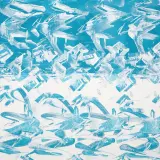 小畑多丘「KUROOBIANACONDA 02 WAGIR…」(The 5th Floor・2020)で共演
 大平龍一「KUROOBIANACONDA 02 WAGIR…」(The 5th Floor・2020)で共演